

Understanding the Odds and House Edge
One of the fundamental reasons players often find themselves losing at casinos is a lack of understanding regarding the odds and the house edge. Every casino game, from blackjack to slots, is designed with a house edge, meaning the odds are inherently in favor of the casino. For example, in roulette, the presence of a zero or double zero gives the house a significant advantage. Recognizing these odds is crucial for players to make informed decisions about their bets and gameplay strategies, allowing them to approach their gambling experience with realistic expectations, especially when they consider sports betting sites that may offer different odds.
Many players enter a casino with the misconception that luck alone governs their outcomes. While luck can play a temporary role, the long-term results are overwhelmingly dictated by the statistical probabilities each game presents. Therefore, players who fail to acknowledge and adapt to the mathematical nature of these games are bound to face persistent losses. Emotional decisions, such as chasing losses or betting larger amounts than their bankroll can accommodate, often lead to further financial pitfalls.
Moreover, players can become overconfident after a few wins, believing they have mastered the game. This overconfidence can cloud their judgment and lead to poor financial management. For instance, a player may increase their betting amounts or engage in riskier strategies, ultimately falling victim to the casino’s favorable odds. By not assessing risk properly, these players contribute significantly to their ongoing losses, reinforcing the need for a clear understanding of the odds and strategies involved in their favorite games.
The Role of Gambling Psychology
Gambling is not solely a matter of luck and strategy; it is deeply rooted in psychology. Players often fall victim to cognitive biases, such as the gambler’s fallacy, where they mistakenly believe that past outcomes will influence future results. For example, if a player experiences several losses in succession, they may feel a win is “due,” leading them to increase their wagers. This mindset can quickly deplete bankrolls, resulting in significant losses over time, as the player fails to recognize the independent nature of each game round.
Additionally, the thrill of gambling can trigger emotional responses, causing players to make impulsive decisions. The excitement of a near-win or the adrenaline rush from placing large bets can cloud judgment, leading to further financial risk. As emotions take control, players may disregard their pre-set limits and targets, resulting in consistent losses that could have been avoided through discipline and composure. Understanding these psychological triggers is vital for players seeking to improve their gambling habits.

Furthermore, social influences can exacerbate these psychological tendencies. Players may be swayed by the behavior of others at the table or feel pressured to engage in larger bets to keep up with friends or peers. This social dynamic can lead players into a cycle of chasing wins to maintain their standing within their group, often resulting in regrettable losses. Recognizing the psychological factors at play can empower players to develop healthier gambling habits, better managing their emotions during play and making more rational decisions.
Lack of Strategy and Knowledge
A significant factor contributing to player losses in casinos is the lack of strategy and knowledge about the games they are playing. Many players approach games without a thorough understanding of the rules, optimal strategies, or specific nuances unique to each game type. For instance, in poker, having a solid grasp of game theory and understanding player tendencies can significantly enhance one’s chances of success, while a novice player might make fundamental mistakes due to ignorance, such as misreading opponents or not knowing when to fold.
Moreover, players often neglect to learn about bankroll management, which is essential for anyone wishing to gamble responsibly. Failing to set limits on spending can lead players to gamble more than they can afford, thereby increasing their likelihood of losses. Establishing clear budgeting strategies, such as setting win and loss limits, can help mitigate risk. Without these guidelines, players may find themselves in a cycle of chasing losses, leading to greater financial trouble and a more stressful gambling experience.
Educating oneself about game variants, odds, and strategies can make a significant difference in outcomes. Many casinos offer various games with different rules and strategies that can shift the odds in the player’s favor. For example, understanding the basic strategy for blackjack can reduce the house edge significantly. However, without this knowledge, players are at a disadvantage, which can contribute to their ongoing losses at the casino. Continuous learning and adaptation are crucial for improving one’s chances in the long run.
The Impact of Environment and Atmosphere
The casino environment can significantly affect player behavior and decision-making. Casinos are designed to be alluring and engaging, employing various tactics to encourage spending and prolong the time players spend gambling. From vibrant lights to enticing sounds, the atmosphere creates a sense of excitement that may cloud rational thinking. Players may become so absorbed in the environment that they lose sight of their original intentions and financial limits, making decisions that are not in their best interest.
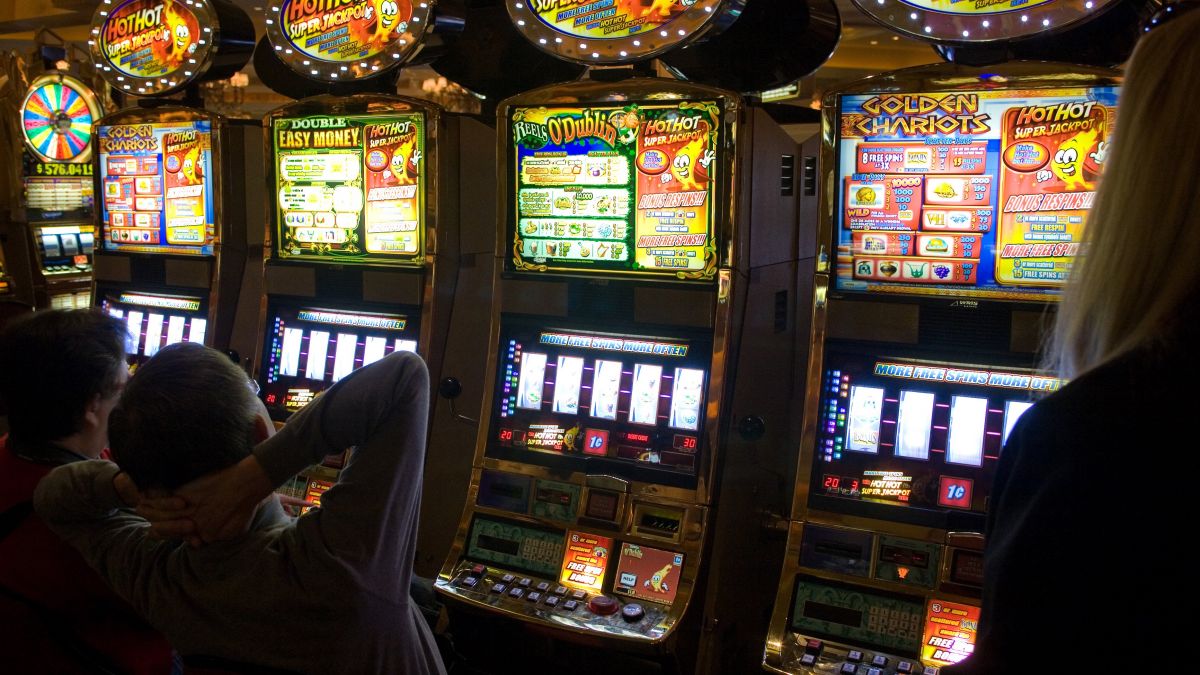
This immersive ambiance can lead to poor decision-making and reckless play, especially among those unfamiliar with the gambling experience. The sensory overload combined with the potential for immediate rewards can induce a state of euphoria, compelling players to gamble further despite accumulating losses. This phenomenon, often referred to as “loss chasing,” occurs when players believe that one more game could lead to a win, prolonging their gambling session and increasing their losses. Awareness of this psychological trap is essential for maintaining control.
Moreover, the company one keeps while gambling can have a detrimental effect on decision-making. If friends or fellow players are betting recklessly, it can create social pressure to follow suit. Players may feel inclined to match the high wagers of those around them, leading to unnecessary financial loss. Being conscious of one’s environment and the influences it brings can help mitigate the risk of avoidable losses, allowing for more strategic and controlled gambling approaches. Ultimately, understanding how the casino environment impacts behavior can significantly enhance the gambling experience.
How to Improve Your Gambling Experience
Improving your gambling experience requires a multifaceted approach that incorporates knowledge, strategy, and emotional discipline. Players should prioritize educating themselves about the games they play, focusing on understanding the rules and strategies that can minimize the house edge. Resources such as books, online courses, and forums dedicated to gambling can provide valuable insights and techniques that enhance gameplay. Knowledge is power, especially in a setting where the odds are often stacked against the player.
Additionally, establishing a clear gambling budget is essential. Setting aside a specific amount of money for gambling and adhering to that limit can prevent players from overspending and chasing losses. Effective bankroll management is an invaluable skill that can lead to a more positive gambling experience. Players should also recognize the importance of taking breaks to reflect on their play and resist the temptation to gamble while under emotional duress. A clear mind can lead to better decision-making during play.
Lastly, utilizing online platforms can offer insightful resources for understanding gambling. Many websites provide articles, tutorials, and forums that discuss effective strategies and share experiences from fellow players. Engaging with a community that shares similar interests can also enhance your knowledge and provide support, ensuring you approach gambling with a more informed and balanced perspective. By staying informed and connected, players can significantly improve their overall gambling experience, reducing the likelihood of consistent losses.